
A New Era for Mid-Tier Mining: How Advanced Telematics, IoT, and Scenario-Based Dispatch are Bridging the Technology Gap for Small and Medium-Sized Mining Operators in Emerging Markets
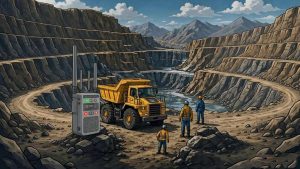
Wooden Kite Tech and Shijiazhuang Coal Mining Machinery Co., Ltd. (Shi Mei) have officially signed a comprehensive strategic cooperation agreement. The partners is dedicated to the research, development, processing, and optimization of a next-generation mining fleet management system (FMS). This initiative specifically targets the unique operational challenges faced by medium and small-scale mining companies operating within the diverse and often demanding terrains of Africa, encompassing both expansive open-pit mines and complex underground mining environments.
This collaboration is not merely a contractual formality. For decades, sophisticated fleet management—relying on real-time telemetry, high-fidelity sensors, and AI-driven dispatch—has been the exclusive domain of multinational mining conglomerates with billion-dollar CAPEX budgets. Wooden Kite Tech and Shi Mei are now democratizing this technology, engineering a solution that delivers “enterprise-grade” insights at a “mid-market” price point, specifically tailored for the African continent’s rich and varied geological landscape.Artuhr Ma, CEO of Wooden Kite Tech, stated, “We will launch a new tool for cost-effective use in fleet management for small and medium-sized mines. Artuhr Ma is an information technology expert with years of experience in information technology development.
The Genesis of a Partnership: Marrying Heritage with High-Tech Innovation
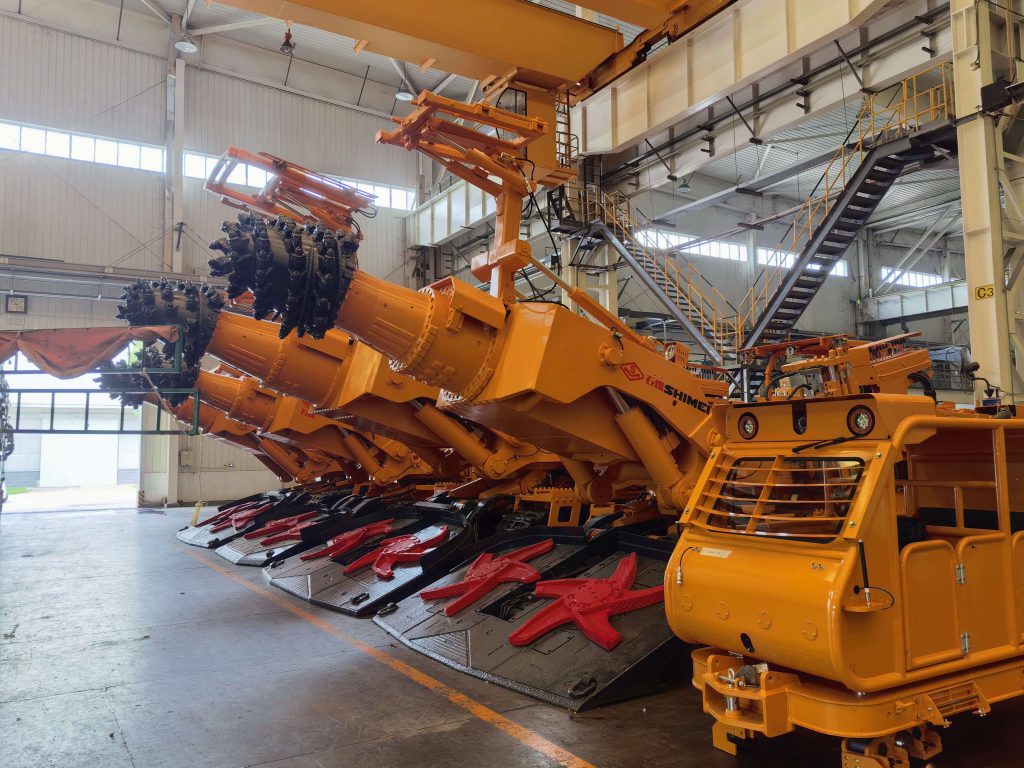
Shijiazhuang Coal Mining Machinery Co., Ltd. (Shi Mei) is not a newcomer to the heavy industry sector. Historically operating as the Shijiazhuang Coal Mine Machinery Factory, the company holds a prestigious legacy as a key backbone enterprise that was once directly under the administration of the former Ministry of Coal Industry of the People’s Republic of China (PRC). This deep historical root in the coal sector provided Shi Mei with decades of irreplaceable engineering experience in harsh underground conditions.
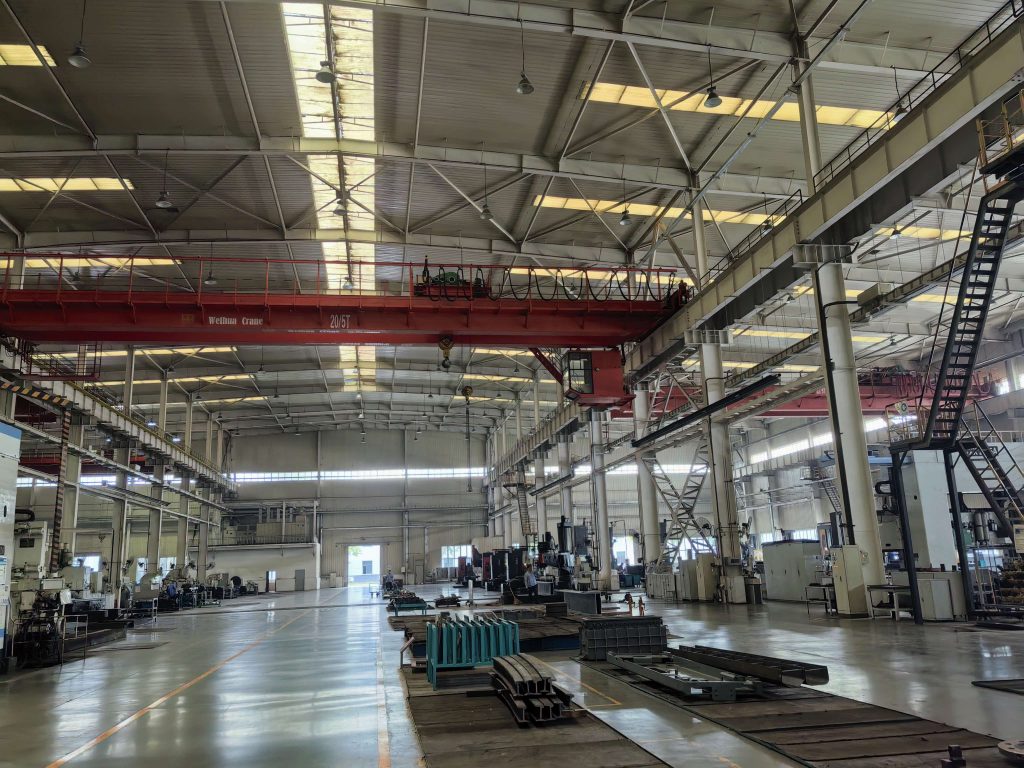
Shi Mei deep understanding of the mechanical stresses, safety requirements, and operational workflows of underground and surface mining equipment provides the perfect physical and mechanical foundation for Wooden Kite Tech’s digital ambitions.
On the other side of the equation is Wooden Kite Tech, a rising star in the industrial IoT (Internet of Things) and data analytics space. Wooden Kite Tech specializes in transforming raw machine data into actionable business intelligence. Their expertise lies in creating robust, scalable software architectures that can withstand the connectivity challenges often found in remote mining locations.
The synergy is clear: Shi Mei provides the “iron and steel” and the mechanical know-how; Wooden Kite Tech provides the “eyes, ears, and brain” through advanced sensor integration and data processing.
The African Imperative: Why Mid-Sized Mines Need a New Solution
Africa is home to some of the world’s most abundant mineral reserves—gold in Ghana, copper and cobalt in the DRC, platinum in South Africa, and coal across the continent. While the “mega-mines” operated by majors like Anglo American, Barrick Gold, or Rio Tinto often grab headlines, the true backbone of the African mining economy is its vast ecosystem of medium and small-sized mining companies.
These operators face a unique set of challenges:
- Capital Constraints: They cannot afford the multi-million dollar licensing fees and hardware costs associated with top-tier fleet management systems.
- Infrastructure Limitations: Many mines are in remote areas with intermittent cellular coverage, unreliable power grids, and limited IT support staff.
- Mixed Fleet Complexity: Unlike large mines that often standardize on a single OEM (Original Equipment Manufacturer), mid-sized African mines frequently operate a “rainbow fleet”—a mix of new and old equipment from various Chinese, European, Japanese, and American manufacturers.
- Dual Environment Operations: A significant number of these companies operate both open-pit and underground mines simultaneously or sequentially, requiring a unified view of their assets.
Wooden Kite Tech and Shi Mei have explicitly designed their joint solution to address these pain points. The goal is to provide a system that is rugged, affordable, easy to deploy, and capable of integrating with diverse machinery types.
Beyond Traditional Tracking: The “Sensor-Driven Scenario” Approach
A critical differentiator for Wooden Kite Tech, as highlighted in the company’s strategic vision, is its focus on “mining scenarios” (sensor-driven contexts).
When comparing the competitive landscape, legacy systems from giants like Hexagon Mining, Wenco International Mining Systems, and Jigsaw (a Komatsu company) often rely on a “one-size-fits-all” logic. While powerful, they can be overly complex for mines that don’t need every bell and whistle.
Wooden Kite Tech’s fleet management philosophy is built on contextual awareness. Instead of just tracking a truck’s GPS location, the system processes data from a multitude of sensors to understand what the truck is doing and why.
What does “Sensor-Driven Scenario” mean in practice?
- The Haulage Scenario: Sensors detect load weight, engine RPM, and slope angle. The system calculates the precise moment a truck is fully loaded and automatically dispatches the next available loader or assigns the optimal haul road to minimize fuel consumption and tire wear.
- The Blasting Scenario: Integration with blast timing sensors allows the fleet to automatically halt operations within a predefined geofence, ensuring personnel safety without manual intervention.
- The Maintenance Scenario: Vibration and thermal sensors on critical components (like differentials or hydraulic pumps) detect anomalies long before a catastrophic failure occurs. The system automatically flags the asset for maintenance and reassigns its tasks to other available units in the fleet.
- The Underground Navigation Scenario: In GPS-denied environments (underground mines), the system utilizes a combination of UWB (Ultra-Wideband), RFID, and inertial sensors to provide 3D positioning of LHDs (Load, Haul, Dump machines) and underground trucks, preventing collisions in narrow tunnels.
This granular, scenario-based approach ensures that the data collected is not just “big,” but “smart.”
The Technology Deep Dive: Core Functions of the Wooden Kite Mining Fleet Management System
The joint R&D efforts will focus on deploying a modular suite of tools designed to optimize every stage of the mining cycle. Here is a detailed breakdown of the major functions being developed:
1. Real-Time Asset Tracking and Telemetry
At the heart of the system is a high-frequency data acquisition module. This isn’t just about dots on a map. The system captures:
- Position and Speed: For both surface (GNSS/GPS) and underground (UWB/Leaky Feeder integration).
- Operational Status: Engine hours, idle time, fuel consumption, and payload weight.
- Environmental Conditions: Air quality sensors in underground mines to monitor for toxic gases (CO, NO2) and ensure ventilation-on-demand (VOD) systems are triggered.
2. Intelligent Dispatch and Route Optimization
Using proprietary algorithms, the system moves beyond simple “truck assignment.” It utilizes predictive modeling to:
- Optimize the match factor between shovels and trucks.
- Dynamically reroute trucks based on road conditions, congestion, or weather.
- Reduce queuing time at crushers and load points.
- Balance the workload across the entire fleet to prevent operator fatigue and equipment overuse.
3. Payload Management and Cycle Time Analysis
In mining, profitability is measured in tons moved per hour. The Wooden Kite system will feature:
- On-the-fly payload calculation to prevent overloading (which damages tires and suspensions) and underloading (which wastes fuel and time).
- Automated cycle time reporting, breaking down each segment: spot time, load time, haul time, dump time, and return time.
- Historical trend analysis to identify bottlenecks in the mining cycle.
4. Fuel and Energy Management
With fuel often representing 30-40% of a mine’s operating costs, the system provides:
- Real-time fuel burn rates.
- Identification of excessive idling.
- Optimization of haul routes to minimize elevation changes and distance.
- Integration with Shi Mei’s machinery to monitor hydraulic system efficiency and engine performance.
5. Proximity Detection and Collision Avoidance (PDCA)
Safety is paramount. The system will incorporate:
- RFID and Radar-based proximity warnings for personnel and vehicles.
- Automated speed control in high-risk zones.
- “Black box” recording of incidents for post-event analysis.
6. Reporting and Business Intelligence (BI)
Data is only useful if it can be understood. The platform will feature:
- Customizable dashboards for management, maintenance, and dispatch teams.
- Automated report generation (daily, weekly, monthly) covering KPIs like: Tons Moved, Cost per Ton, Equipment Utilization, and Availability.
- Mobile app integration for remote monitoring by mine owners and managers.
The Competitive Landscape: Wooden Kite vs. The Incumbents
To fully appreciate the value proposition of Wooden Kite Tech and Shi Mei, it is essential to view their offering against the backdrop of the current market leaders.
Hexagon Mining is renowned for its comprehensive suite, including MinePlan, HxGN MineOperate, and HxGN MineProtect. They are the gold standard for large-scale, integrated mining operations. However, their systems often require a level of IT infrastructure and capital expenditure that is prohibitive for mid-sized African mines.
Wenco International Mining Systems, a subsidiary of Hiatch, is a leader in fleet management and high-precision guidance. Their strength lies in their open architecture, but they often cater to the upper echelon of the market.
Jigsaw, part of the Komatsu group, focuses heavily on autonomous haulage systems (AHS) and high-end fleet optimization, primarily tied to Komatsu equipment.
Wooden Kite Tech’s Differentiation Strategy:
- Cost-Effectiveness: By leveraging Shi Mei’s manufacturing capabilities and Wooden Kite’s agile software development, the solution will be significantly more affordable.
- Hardware Agnostic: Unlike Jigsaw, which is Komatsu-centric, Wooden Kite’s system is designed to be hardware agnostic, capable of retrofitting onto older, non-OEM machinery common in African mines.
- Scenario Focus: While Hexagon offers a “platform for everything,” Wooden Kite focuses on the “critical path” scenarios that directly impact the bottom line of a mid-sized mine.
- Localized Support: The partnership aims to establish regional support hubs in Africa, providing faster response times than distant corporate headquarters.
The Road Ahead: Testing and Implementation
The agreement between Wooden Kite Tech and Shi Mei is not just a paper exercise. The companies have committed to a rigorous testing and optimization phase.
The initial phase will involve deploying pilot systems in both an open-pit coal mine and an underground metal mine. These test beds are crucial for:
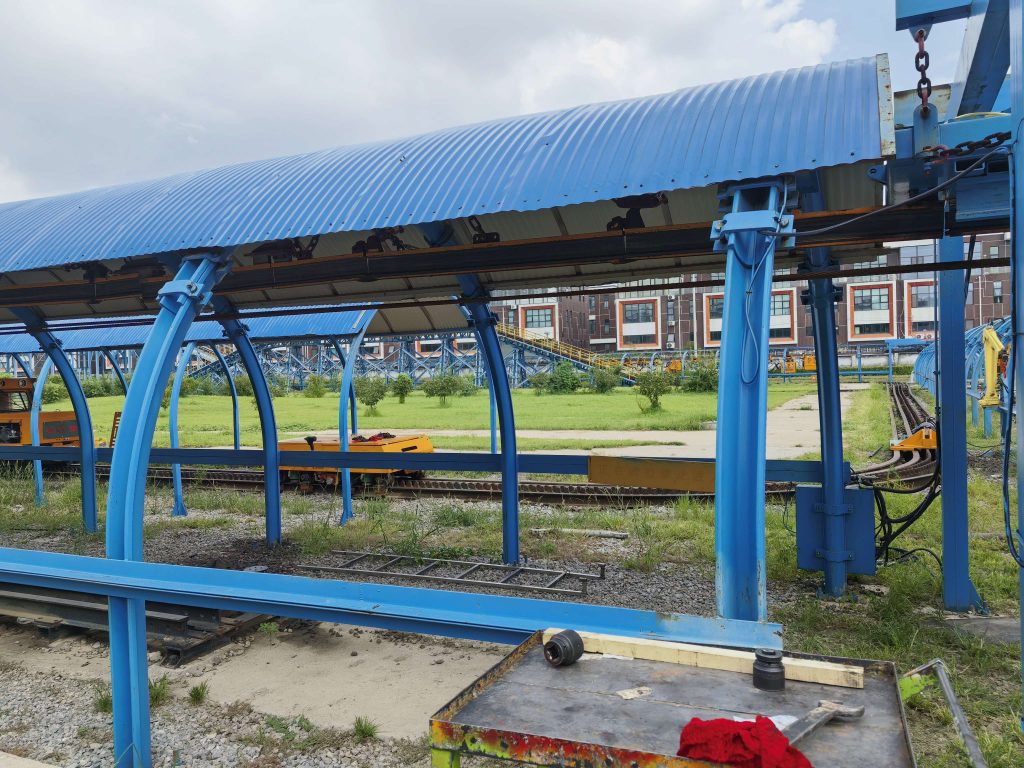
- Validating the durability of sensors in high-vibration, high-dust environments.
- Calibrating the dispatch algorithms for specific ore bodies and mine layouts.
- Stress-testing the communication networks (Mesh networks, 4G/LTE private networks) to ensure data integrity.
- Training local operators and maintenance staff on the new technology.
The objective is clear: to achieve “best gain”—a measurable improvement in operational efficiency, safety, and profitability. The companies are targeting a 15-20% increase in fleet utilization and a 10-15% reduction in fuel costs for their pilot partners.
The Future of Mining in Africa: A Data-Driven Renaissance
The partnership between Wooden Kite Tech and Shi Mei is more than a business deal; it is a catalyst for modernization. For the African mining sector, which is often characterized by artisanal methods or reliance on aging equipment, the introduction of sensor-driven fleet management represents a leap forward.
The ability to manage a fleet—whether in the blistering heat of an open-pit or the confined, dark depths of an underground tunnel—using real-time data is no longer a luxury. It is a necessity for survival in a volatile commodities market.
Conclusion: A Winning Formula
The collaboration between Wooden Kite Tech and Shijiazhuang Coal Mining Machinery (Shi Mei) is built on a foundation of focus, differentiation, low cost, and successful prediction.
- Focus: Laser-focused on the specific needs of small and mid-sized African mines.
- Differentiation: Sensor-driven scenario management rather than generic tracking.
- Low Cost: Leveraging Chinese manufacturing and efficient software architecture to lower the barrier to entry.
- Successful Prediction: Using data to anticipate maintenance needs and optimize dispatch before problems arise.
As the mining industry continues its inevitable march towards digitalization and automation, this partnership stands out as a beacon for practical, accessible innovation. The “super product” they are creating—a truly market-fit fleet management system—promises to unlock new levels of productivity for miners across Africa and beyond.