
Introduction: Why Mining Truck Tracking Systems Matter
Mining operations depend heavily on the performance of mobile equipment. In open-pit mines, haul trucks often represent one of the largest operational investments, moving thousands of tons of material every day between loading zones, crushers, waste dumps, and stockpiles.
However, managing a large fleet of mining trucks is challenging. Operations teams must continuously answer critical questions:
- Where is each truck operating right now?
- Are trucks being used efficiently during each shift?
- How much time is lost through waiting, idling, or inefficient routes?
- Which equipment requires maintenance before failure occurs?
- Are fuel costs increasing because of operational issues?
Traditional fleet management methods based on manual reporting, radio communication, and operator observations often provide incomplete information. Managers may know that productivity is declining, but not always understand the exact reasons behind the problem.
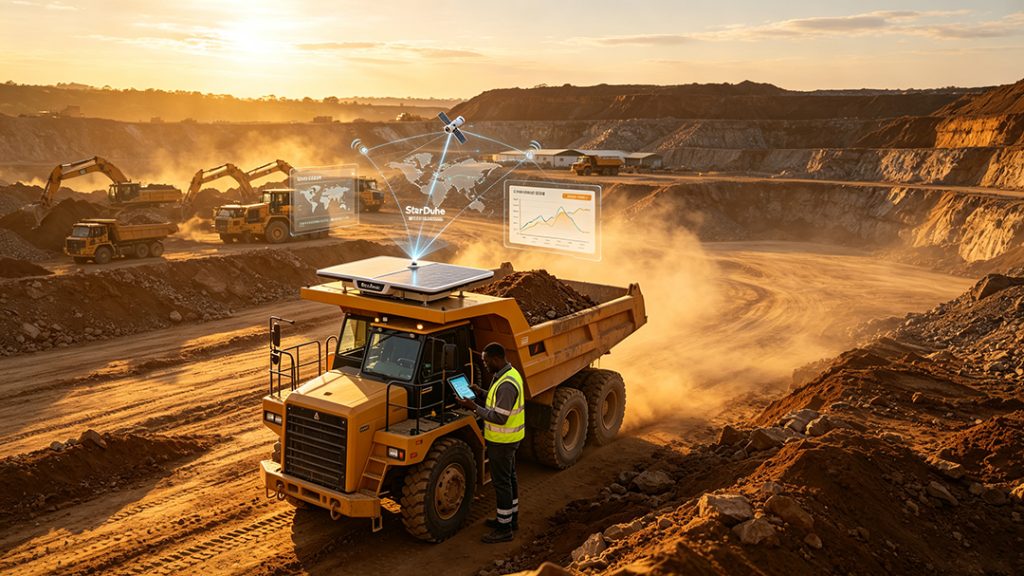
A mining truck tracking system provides real-time visibility into equipment location, movement patterns, operating conditions, and fleet performance. By combining GNSS positioning, GPS tracker, IoT sensors, communication technologies, and fleet management software, mining companies can create a more data-driven approach to equipment management.
For modern mining operations, truck tracking is no longer only about knowing vehicle locations. It has become a foundation for improving equipment utilization, reducing unnecessary fuel consumption, optimizing maintenance planning, safe-management, and supporting better operational decisions.
What Is a Mining Truck Tracking System?
Unlike basic vehicle GPS trackers used in commercial transportation, mining tracking systems are designed for harsh industrial environments where equipment operates under extreme conditions, including:
- heavy vibration
- dust and mud exposure
- temperature fluctuations
- remote locations with limited communication infrastructure
- continuous operation schedules
A complete mining truck tracking solution typically includes three layers:
- Hardware installed on mining equipment
- Communication infrastructure for transmitting data
- Software platforms for monitoring and analysis
A mining truck tracking system is an integrated technology solution designed to monitor and manage mining vehicles through real-time location tracking, equipment data collection, and operational analytics.
Together, these components and the software platform provide mine operators with a complete view of fleet activity.
How Does a Mining Truck Tracking System Work?
A mining truck tracking system follows a simple data flow:
Mining truck → Tracking device → Communication network → Cloud platform → Operations dashboard
1. Data Collection From Mining Equipment
A tracking device installed on a haul truck collects information such as:
- GPS/GNSS location
- vehicle speed
- travel direction
- operating hours
- engine status
- fuel consumption data
- equipment alarms
- driver behavior information
- and so on
Depending on the application, the device may connect directly with vehicle systems through CAN bus or other industrial interfaces.
For example, a large haul truck operating in an open-pit mine can transmit information about:
- current location on the mine site
- time spent loading
- travel duration to dumping areas
- idle periods during shift changes
- abnormal operating conditions
2. Data Transmission
Mining environments often create communication challenges. Depending on the site conditions, data may be transmitted through:
- 4G/LTE networks
- private mine communication networks
- Wi-Fi systems
- LoRa-based industrial networks
- satellite communication
A reliable solution must consider the actual mining environment.
For example:
A remote mine located far from urban infrastructure may require satellite communication or a private wireless network, while a large open-pit operation near existing infrastructure may use cellular connectivity.
3. Data Processing and Visualization
Collected data is transmitted to fleet management software where it is processed into useful information.
A mining operations manager may view:
- live fleet location maps
- equipment status
- truck utilization reports
- idle time analysis
- maintenance alerts
- historical movement records
The goal is not simply collecting data. The goal is turning equipment information into operational decisions. The goal is managing mining product and environment safe.
Key Components of a Mining Truck Tracking System
1. GNSS Tracking Devices
The tracking device is the connection between physical equipment and digital management systems.
Mining-grade GNSS tracking devices should be designed for industrial environments.
Important characteristics include:
Rugged construction
Mining equipment experiences:
- vibration
- shocks
- dust
- moisture
- temperature changes
Devices should be built to operate reliably under these conditions.
Accurate positioning
GNSS technology allows mine operators to understand:
- exact truck location
- movement history
- route patterns
- equipment activity
This is especially valuable in large open-pit mines where vehicles may travel across extensive areas.
Integration capability and function
Advanced tracking devices can integrate with:
- fuel sensors
- engine monitoring systems
- temperature sensors
- vehicle control systems
- Driver behavior camera
- Road environment monitoring model
- Conversation system model
This allows companies to move beyond simple location tracking toward complete equipment monitoring.
2. IoT Sensors and Equipment Monitoring
Modern mining truck tracking systems often use industrial IoT technology to collect additional equipment information.
Examples include:
Fuel monitoring
Fuel is one of the largest operating expenses in mining.
Monitoring fuel data helps identify:
- excessive idling
- abnormal consumption patterns
- unauthorized usage
- inefficient operating behavior
For example:
A mine may discover that trucks spend significant time waiting near loading areas with engines running. By identifying this pattern, managers can adjust workflows and reduce unnecessary fuel usage.
Engine and Equipment Data
Connecting tracking systems with machine data enables monitoring of:
- engine hours
- operating conditions
- fault codes
- maintenance requirements
Maintenance teams can use this information to move from reactive repairs toward planned maintenance strategies.
Mining Truck Tracking System Benefits
1. Improve Fleet Visibility
One of the biggest challenges in mining fleet management is limited visibility.
A mining truck tracking system provides real-time information about:
- equipment location
- operational status
- vehicle movement
- work patterns
For fleet managers, this creates a centralized view of all mobile assets.
Example:
In a large open-pit mine operating dozens of haul trucks, supervisors can quickly identify:
- trucks waiting too long at loading points
- vehicles traveling inefficient routes
- equipment not being utilized effectively
This allows faster operational adjustments.
2. Increase Equipment Utilization
Mining companies invest heavily in haul trucks, excavators, and other mobile equipment.
Improving utilization means getting more productive work from existing assets.
Tracking systems help measure:
- operating hours
- idle time
- working cycles
- waiting periods
- equipment availability
Example:
A mine may discover that trucks spend a significant portion of each shift waiting for loading equipment.
With accurate data, managers can optimize workflows and improve equipment productivity.
3. Reduce Fuel Waste
Fuel efficiency is a major concern for mining operations.
A tracking system helps identify operational behaviors that increase fuel consumption, including:
- unnecessary idling
- inefficient routes
- excessive speed changes
- unauthorized equipment use
- oil theft monitoring
Rather than relying on estimates, managers can use actual operational data to understand where fuel is being consumed.
4. Reduce Equipment Downtime
Unexpected equipment failures can disrupt production schedules and increase maintenance costs.
Mining truck tracking systems support maintenance teams by providing information such as:
- operating hours
- equipment usage patterns
- fault information
- service intervals
Maintenance managers can better plan inspections and repairs based on actual equipment conditions.
5. Support Safety Management
Safety is a priority in every mining operation.
Tracking technology can support safety programs by monitoring:
- vehicle movements
- restricted areas
- abnormal driving patterns
- unauthorized operation
For example, geofencing can create virtual boundaries around:
- blasting zones
- maintenance areas
- dangerous sections of the mine
When equipment enters or leaves defined areas, the system can generate alerts.
A tracking system supports safety management but does not replace established mining safety procedures.
Mining Truck Tracking System Applications
Open-Pit Mining Operations
Open-pit mines are one of the most common applications for truck tracking technology.
Typical equipment includes:
- haul trucks
- dump trucks
- loaders
- graders
- service vehicles
Common applications include:
Haul cycle monitoring
A haul cycle includes:
- Loading
- Traveling
- Dumping
- Returning
Tracking systems allow managers to analyze each stage.
If trucks spend too much time waiting or traveling inefficient routes, operations teams can investigate the cause.
Production Optimization
Production depends on coordination between multiple equipment types.
For example:
- excavators load trucks
- trucks transport material
- crushers receive material
Tracking data helps identify bottlenecks across the operation.
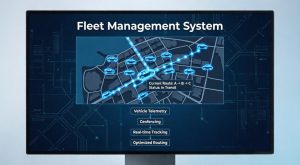
Mining Fleet Management Software
The software platform is where equipment data becomes operational intelligence.
A modern fleet management system for mining should provide:
Real-Time Dashboard
Features may include:
- live equipment map
- vehicle status
- alerts
- operating information
Reporting and Analytics
Useful reports include:
- utilization reports
- fuel reports
- downtime analysis
- activity history
- equipment performance reports
Fleet Performance Monitoring
Managers can compare:
- equipment performance
- shift productivity
- operating patterns
This supports continuous improvement.
How to Select a Mining Truck Tracking System Supplier
Choosing the right supplier is an important technology investment decision.
Mining companies should evaluate suppliers based on several factors.
1. Mining Industry Experience
A supplier should understand mining environments, not only general vehicle tracking.
Questions to ask:
- Has the supplier worked with mining companies?
- Are their devices designed for heavy equipment?
- Do they understand mining workflows?
A solution designed for delivery trucks may not meet mining requirements.
2. Hardware Reliability
Evaluate:
- environmental protection rating
- vibration resistance
- installation requirements
- communication options
Mining equipment operates in demanding conditions, so hardware reliability is critical.
3. Software Capability
The platform should provide more than a simple map.
Important features include:
- fleet visualization
- reporting tools
- alerts
- data export
- user management
- integration options
4. Scalability
A mining company may begin with a small fleet but expand over time.
Consider:
- number of supported vehicles
- multiple site management
- future sensor integration
- software scalability
5. Technical Support and Service Capability
Mining operations often run continuously.
Supplier evaluation should include:
- installation support
- technical assistance
- system training
- maintenance services
Mining Truck Tracking System vs Basic GPS Tracking
| Feature | Basic GPS Tracker | Mining Truck Tracking System |
| Vehicle location | Yes | Yes |
| Heavy equipment environment support | Limited | Designed for mining |
| Fuel monitoring | Usually limited | Available |
| Equipment data integration | Limited | Advanced |
| Fleet analytics | Basic | Comprehensive |
| Mining-specific reporting | Rare | Available |
| IoT integration | Limited | Supported |
A basic GPS tracker answers:
“Where is my vehicle?”
A mining fleet management system answers:
“How efficiently is my equipment operating?”
Implementation Considerations for Mining Companies
Before deployment, companies should define clear objectives.
Step 1: Identify Operational Problems
Examples:
- excessive fuel costs
- poor equipment utilization
- maintenance challenges
- limited visibility
Step 2: Define Required Data
Determine what information is needed:
- location tracking
- fuel monitoring
- engine data
- productivity analysis
Step 3: Start With a Pilot Project
Many mining companies begin with selected equipment before expanding.
A pilot helps evaluate:
- installation process
- data quality
- operational improvements
Step 4: Train Users
Successful adoption requires training for:
- operations managers
- supervisors
- maintenance teams
Technology provides information, but teams must know how to use it.
Frequently Asked Questions
What is a mining truck tracking system?
A mining truck tracking system is a technology solution that uses GNSS positioning, IoT sensors, communication networks, and software platforms to monitor mining vehicle location, performance, and operational data.
How does GPS tracking help mining operations?
GPS tracking improves equipment visibility, helps analyze vehicle utilization, supports route optimization, and provides operational data for better decision-making.
Can mining truck tracking systems monitor fuel consumption?
What mining equipment can be tracked?
Depending on the solution, companies can monitor:
- haul trucks
- dump trucks
- excavators
- loaders
- graders
- drilling equipment
- support vehicles
What is the difference between GPS tracking and mining fleet management software?
GPS tracking mainly focuses on location information.
Mining fleet management software combines location data with equipment monitoring, analytics, reporting, and operational management tools.
Can tracking systems work in remote mines?
Yes. Solutions can use different communication methods depending on site conditions, including cellular networks, private networks, and satellite communication.
How should a mining company choose a tracking system supplier?
Companies should evaluate:
- mining industry experience
- hardware durability
- software capability
- integration options
- technical support
- total cost of ownership
Conclusion: Building a More Data-Driven Mining Operation
Mining truck tracking systems provide mining companies with greater visibility, better equipment management, and more informed operational decisions.
For open-pit mining operations, the value goes beyond tracking vehicle locations. The combination of GNSS devices, IoT sensors, and fleet management software creates a foundation for improving utilization, reducing unnecessary costs, planning maintenance more effectively, and managing complex equipment fleets.
When evaluating a solution, mining companies should focus on long-term operational value rather than only hardware price. The right system should fit the mine environment, integrate with existing workflows, and provide reliable data that supports daily decision-making.
WoodenKite helps mining companies implement industrial IoT and fleet management solutions designed for heavy equipment monitoring, mining vehicle tracking, and operational visibility.
Contact WoodenKite to discuss your mining fleet requirements and explore a tracking solution designed for your equipment, site conditions, and operational goals.