
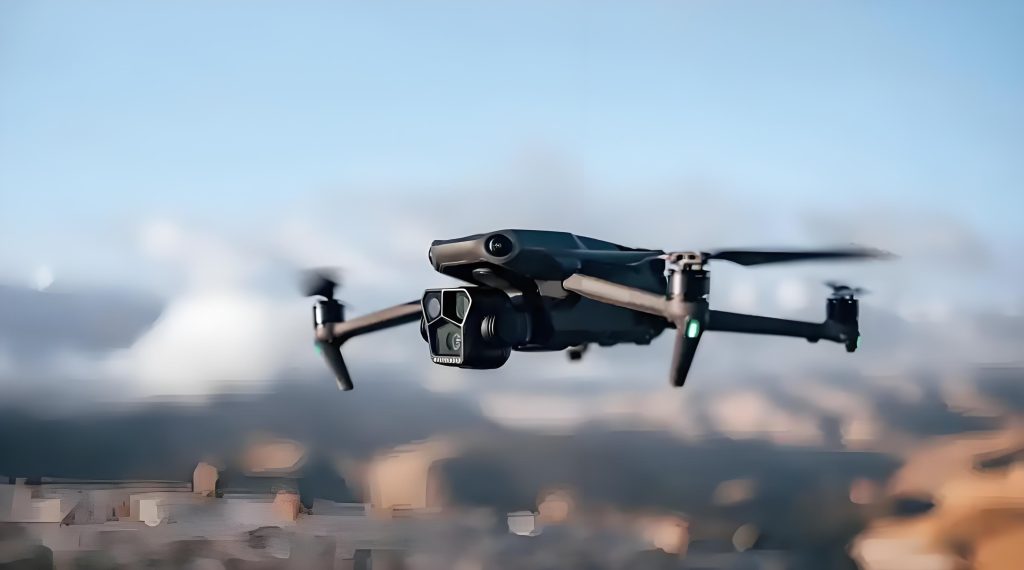
A drone with 4K resolution (i.e., supporting 4K video recording) sits at the mainstream consumer level in the drone world. Widely used for daily shooting, travel vlogging, and more, it delivers high-definition footage—though it falls below professional-grade 8K or higher resolutions.
4K Resolution: Definition & Performance
4K resolution typically refers to 3840×2160 pixels (UHD standard). With 4 times the pixel count of 1080p, it renders finer textures and smooth, dynamic visuals. For example, consumer drones like the DJI Mini 4K all support 4K/30fps video recording, paired with a 1/2.3-inch sensor and a 3-axis gimbal for steady footage.
Advantages & Ideal Use Cases
- Detail Performance: Captures architectural details, human movements, and more with clarity—perfect for daily vlogs and landscape shooting.
- Ease of Use: Simple to operate, beginner-friendly, and has moderate storage and processing needs.
- Mainstream Status: 4K is a standard feature for consumer drones.
Comparison with Other Resolutions
- Below 8K/16K: 8K (7680×4320 pixels) is used for professional filmmaking or surveying, offering richer details but at a higher cost; 16K is still in the experimental stage.
- Above 1080p: 4K delivers sharper footage, but note that some drones only support 2.7K, which is considered entry-level.